Introduzione
Il mercato globale della produzione di componenti idraulici sta attraversando una trasformazione significativa guidata dai progressi tecnologici, dalle normative ambientali e dal cambiamento delle aspettative degli acquirenti di apparecchiature. Nei settori delle macchine mobili, tra cui attrezzature agricole, macchine edili, movimentazione materiali e veicoli minerari, i tradizionali sistemi idraulici puramente meccanici stanno lasciando il posto a soluzioni di potenza fluida compatte, efficienti dal punto di vista energetico e integrate digitalmente.
Per i produttori di apparecchiature originali (OEM) e i direttori degli approvvigionamenti di primo livello, tenere il passo con le tendenze globali del settore è essenziale per mantenere piattaforme di macchinari competitive. L’attenzione si è spostata dalla ricerca di componenti a basso costo alla collaborazione con aziende manifatturiere affermate in grado di fornire elevata efficienza energetica, integrazione elettroidraulica, ridotto rischio di contaminazione dei fluidi e stabilità della catena di fornitura a lungo termine.
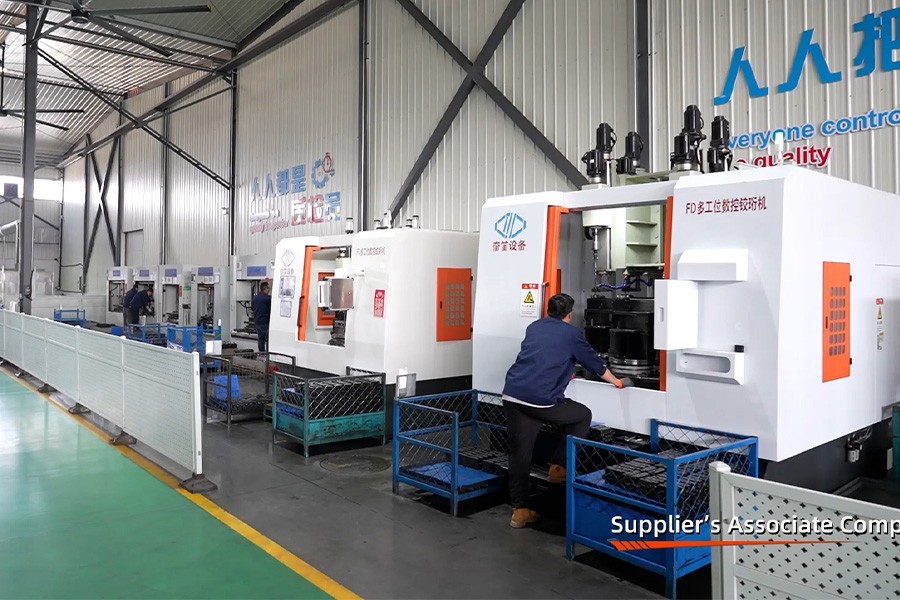
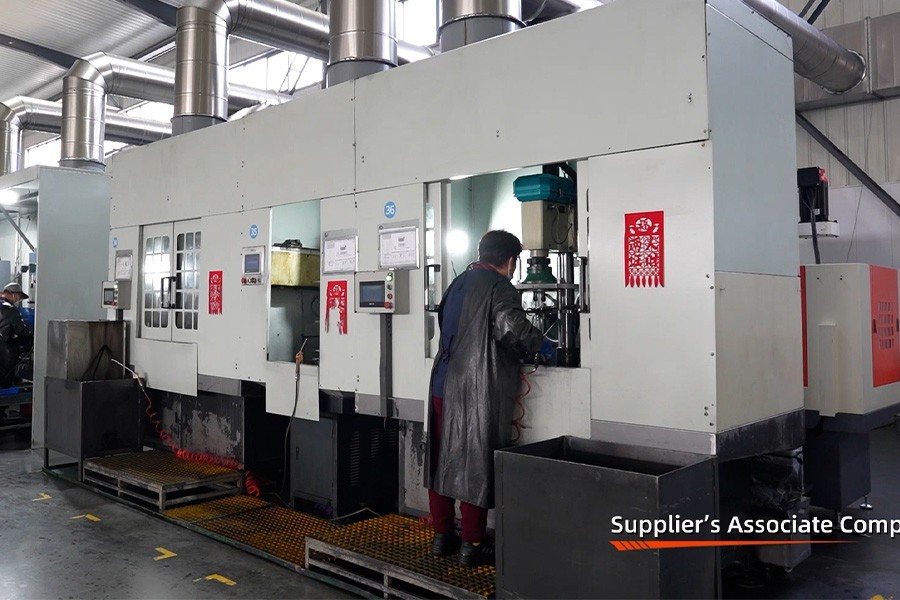
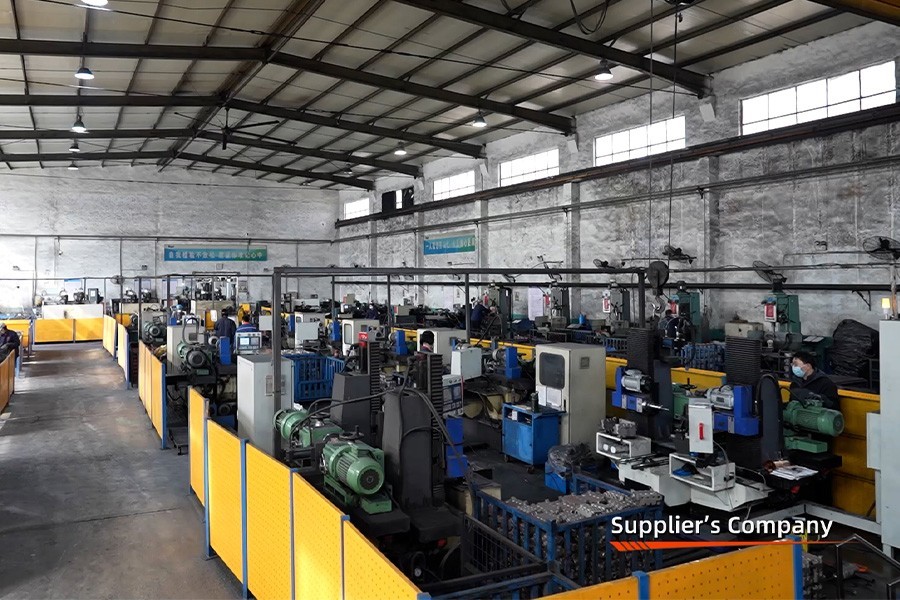
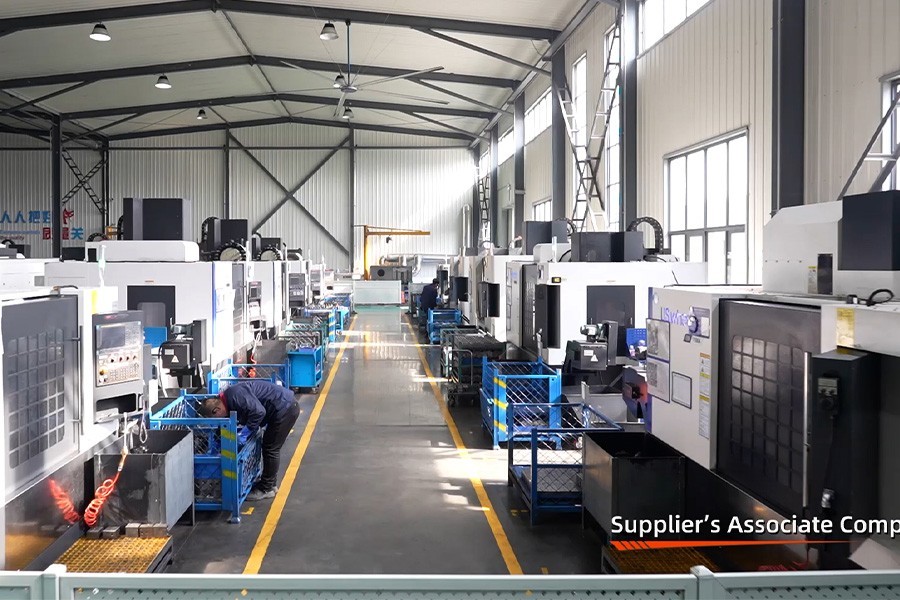
Noi di Boxinhuasheng Hydraulic Technology Co., Ltd. monitoriamo e guidiamo i progressi della produzione da oltre 25 anni. Operando dal nostro campus di produzione di 68.000 m² a Qingzhou, in Cina, Boxinhuasheng gestisce 4 moderni stabilimenti di produzione dotati di oltre 260 macchine CNC, oltre 30 linee di assemblaggio e oltre 30 banchi di prova automatizzati. Supportata da 35 ingegneri idraulici senior e certificata secondo gli standard di audit IATF 16949 e SGS, la nostra capacità annuale di 1,5 milioni di unità serve i costruttori di apparecchiature in oltre 80 paesi.
Questo articolo analizza quattro principali macrotendenze che stanno rimodellando la produzione globale di componenti idraulici e delinea le strategie per gli OEM per trarre vantaggio da questi cambiamenti.
Macrotendenza 1: transizione verso l’integrazione elettroidraulica e il controllo CAN-Bus
L’integrazione dell’elettronica con l’energia fluida rappresenta il cambiamento tecnologico più dominante nello sviluppo delle macchine mobili.
┌──────────────────────────── ────────────────────────────┐
                  │ EVOLUZIONE DEI SISTEMI DI CONTROLLO IDRAULICO MOBILI │
                  └───────────────────────────┬ ────────────────────────────┘
                                              │
Leve meccaniche dirette ── ► Comandi pilota idraulici ── ► Valvole CAN-Bus elettroproporzionali- Controllo digitale della bobina: L'azionamento manuale tradizionale della leva viene sempre più sostituito da solenoidi elettroproporzionali a modulazione di larghezza di impulso (PWM) da 12 V/24 V integrati direttamente sui cappucci delle valvole.
- Interfaccia microcontrollore CAN-Bus: Le valvole di controllo direzionale comunicano con i controller centrali del veicolo (protocolli CAN-bus J1939), consentendo il livellamento automatizzato del braccio, l'ottimizzazione del rilevamento del carico e la diagnostica telematica remota.
- Ergonomia dell'operatore migliorata: I joystick elettronici riducono l'affaticamento fisico dell'operatore consentendo al contempo un microposizionamento preciso su gru mobili, escavatori e mietitrici agricole.
Macrotendenza 2: domanda di collettori compatti ad alta pressione e getti leggeri
Poiché i produttori di apparecchiature mobili si impegnano a ridurre il peso a vuoto dei veicoli e a migliorare il risparmio di carburante del motore, i componenti di potenza fluida devono fornire una densità di potenza più elevata ($ kW/kg$) all'interno di ingombri di montaggio fisico più piccoli.
+------------------------------------------------------------------------+
|                  DENSITÀ DI POTENZA ED EVOLUZIONE DEI MATERIALI |
+--------------------+----------------------+----------------------+
| Metrica ingegneristica | Design tradizionale | Tendenza moderna |
+--------------------+----------------------+----------------------+
| Limite di pressione di esercizio | 16 - 21 MPa (160-210b)| 31,5 - 45 MPa (315b+) |
| Metallurgia della fusione | Ferro grigio (HT200) | Ferro duttile (QT500) |
| Impronta fisica | Collettore impilato ingombrante | Monoblocco compatto |
| Finitura superficiale | Levigatura convenzionale | Diamante submicronico |
|                          |                       | Affilatura foro (Ra<0,2) |
+--------------------+----------------------+----------------------+- Getti in ghisa sferoidale ad alta resistenza: Il passaggio dalla ghisa grigia alla ghisa sferoidale di alta qualità (QT500-7) consente di ridurre gli spessori delle pareti del corpo valvola aumentando al contempo i limiti di pressione di esercizio fino a 31,5 MPa (315 bar).
- Funzioni valvola integrate: Le moderne valvole monoblocco e componibili incorporano le funzioni di scarico della pressione principale, scarico della porta, anticavitazione e controllo del carico direttamente nell'alloggiamento principale, eliminando la tubazione della linea esterna.
Macrotendenza 3: sostenibilità ambientale, efficienza dei fluidi e standard a perdite zero
Le normative ambientali in Nord America, Europa e Asia-Pacifico impongono di ridurre le emissioni di gas serra e di azzerare le perdite di liquidi negli ambienti agricoli e forestali.
- Minimizzare le perdite di carico parassite ($\Delta P$): L'ottimizzazione della fluidodinamica del condotto interno delle valvole riduce l'attrito di taglio del fluido, abbassando le temperature di esercizio dell'olio e conservando la potenza del motore.
- Tolleranze della bobina a perdita zero: Le tolleranze di levigatura del foro mantenute entro 0,002 mm (2 micron) riducono drasticamente le perdite interne tra bobina e foro, prevenendo la deriva del braccio e il degrado dell'olio.
- Compatibilità dei fluidi biodegradabili: Le guarnizioni idrauliche (FKM/Viton) e i trattamenti superficiali interni sono sempre più specificati per resistere agli oli esterici sintetici biodegradabili utilizzati nelle macchine forestali e marittime.
Macrotendenza 4: diversificazione della catena di fornitura globale e qualificazione dei fornitori
Le recenti interruzioni logistiche globali e i cambiamenti geopolitici hanno costretto gli OEM di apparecchiature a rivalutare le strategie di approvvigionamento di singole regioni e gli intermediari commerciali non verificati.
┌──────────────────────────── ────────────────────────────┐
                  │ MANDATO DI QUALIFICAZIONE DEL FORNITORE GLOBALE OEM │
                  └───────────────────────────┬ ────────────────────────────┘
                                              │
         ┌────────────────────── ────────┬─────┴───────── ───────────────┬─────── ───────────────────────┐
         ▼ ▼ ▼ ▼
┌──────────────────┐ ┌──────────────────┐ ┌──────────────────┐ ┌──────────────────┐
│ Verificata internamente│ │ Qualità automobilistica│ │ Capacità scalabile│ │ Completamente internazionale│
│ Produzione │ │ (IATF 16949) │ │ Sicurezza (1,5 milioni) │ │ Logistica delle esportazioni │
└──────────────────┘ └──────────────────┘ └──────────────────┘ └──────────────────┘
I costruttori di apparecchiature stanno stabilendo partnership a lungo termine con imprese manifatturiere affermate che possiedono risorse fisiche, certificazioni di qualità a livello automobilistico (IATF 16949), verifica di fabbrica SGS di terze parti ed elevata capacità di produzione annuale (Boxinhuasheng produce 1,5 milioni di unità all'anno).
Lista di controllo dell'acquirente: allineamento della strategia di approvvigionamento alle tendenze globali
Per rimanere competitivi nel prossimo decennio, i direttori degli approvvigionamenti di macchinari dovrebbero valutare i potenziali partner di componenti idraulici in base a quattro criteri:
- []Linea di prodotti elettroidraulici: Il produttore offre opzioni di valvole elettroproporzionali compatibili con il controllo PWM e CAN-bus?
- []Rigore di lavorazione inferiore al micron: I fori delle valvole sono rifiniti utilizzando la levigatura verticale del diamante per mantenere tolleranze di 2 micron?
- []Test di fine linea al 100%.: Il fornitore applica test di simulazione del carico di lavoro al 100% su tutte le unità di produzione (Boxinhuasheng esegue test al 100% su oltre 30 banchi)?
- []Verifica di fabbrica SGS: Il campus di produzione viene controllato in loco da SGS, confermando le dimensioni della struttura e il numero di macchine?
Conclusione
L’industria globale della produzione di componenti idraulici si sta muovendo verso l’integrazione elettroidraulica, collettori compatti ad alta pressione, tolleranze a perdite zero e partnership resilienti nella catena di fornitura. Gli OEM di apparecchiature che collaborano con aziende manifatturiere verificate e tecnologicamente avanzate si posizionano per costruire macchinari più efficienti, affidabili e competitivi sul mercato.
Boxinhuasheng Hydraulic Technology Co., Ltd. combina oltre 25 anni di esperienza nella produzione idraulica, 35 ingegneri senior, 1,5 milioni di unità annuali, certificazione di qualità IATF 16949 e verifica di fabbrica SGS per guidare gli standard di produzione globali.
Per discutere dello sviluppo di valvole elettroidrauliche, richiedere white paper tecnici o ottenere preventivi sui volumi OEM, visitare il sitowww.chinesehydraulic.com.