
Le pompe idrauliche a ingranaggi convertono la potenza meccanica rotazionale in potenza del fluido idraulico. Comprendere l'efficienza volumetrica, l'attrito di taglio dei fluidi, lo smorzamento del rumore e la manutenzione preventiva garantisce prestazioni a lungo termine delle pompe nei macchinari mobili.
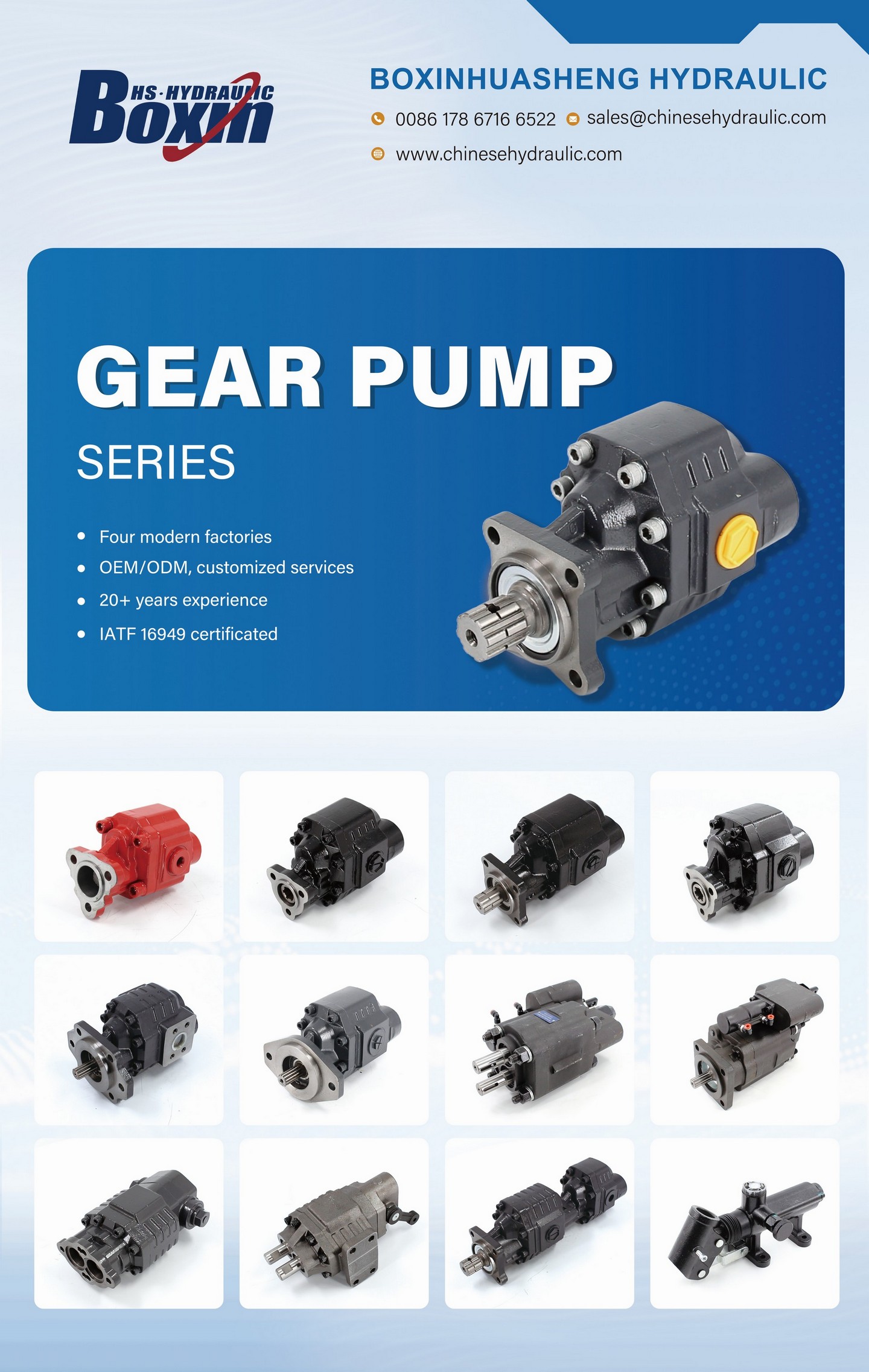
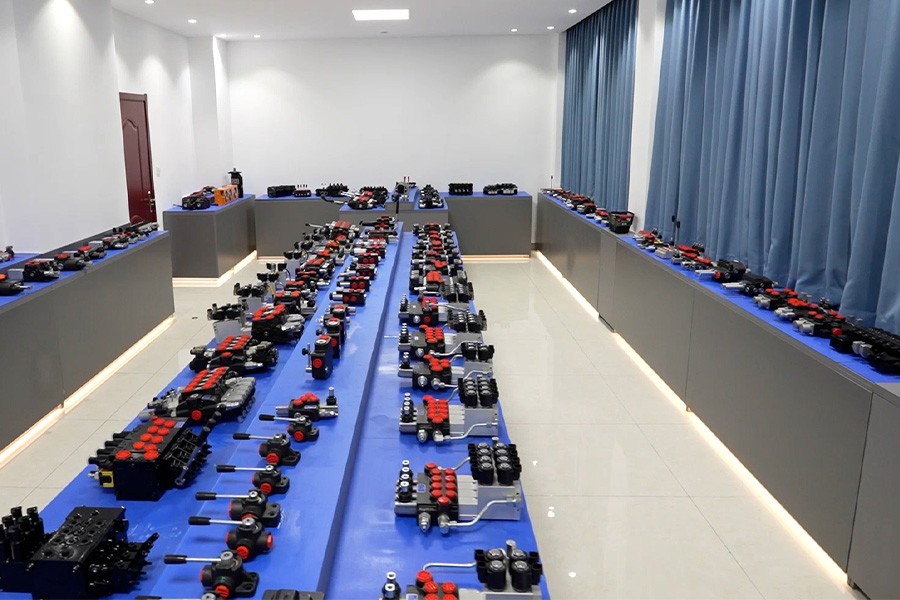
Figura 1: Pompe a ingranaggi esterni ad alta pressione e pompe a pistoni assiali prodotte da Boxinhuasheng Hydraulic Technology.
1. Meccanica delle pompe ad ingranaggi esterni
Le pompe a ingranaggi esterni utilizzano due ingranaggi che si ingranano (un ingranaggio conduttore collegato all'albero di ingresso e un ingranaggio condotto) racchiusi in un alloggiamento in ghisa o alluminio a tolleranza stretta. Mentre gli ingranaggi ruotano, il fluido entra nella tasca di aspirazione, rimane intrappolato tra i denti dell'ingranaggio e il foro dell'alloggiamento e viene trasportato lungo il perimetro esterno fino alla camera di uscita ad alta pressione. Gli ingranaggi ruotano, creando un'espansione del volume all'ingresso per aspirare il fluido e una contrazione del volume all'uscita per spingerlo fuori.
2. Efficienza volumetrica, meccanica e totale
L’efficienza complessiva di una pompa a ingranaggi è il prodotto delle sue efficienze volumetrica e meccanica:
- Efficienza volumetrica (η_v): Valuta la perdita interna del bypass (scivolamento) dall'uscita ad alta pressione all'ingresso a bassa pressione. Calcolato come:
η_v = Q_attuale / Q_teoricoLo slittamento aumenta con la pressione di esercizio e la temperatura del fluido. Le pompe a ingranaggi di alta qualità mantengono un'efficienza volumetrica compresa tra l'88% e il 94% utilizzando piastre di spinta laterali caricate a pressione. - Efficienza meccanica (η_m): Misura le perdite di energia dovute all'attrito meccanico nei cuscinetti, negli ingranaggi e nel taglio dell'olio. L’efficienza volumetrica e l’efficienza meccanica devono essere bilanciate; Giochi più stretti migliorano l'efficienza volumetrica ma aumentano l'attrito e riducono l'efficienza meccanica.
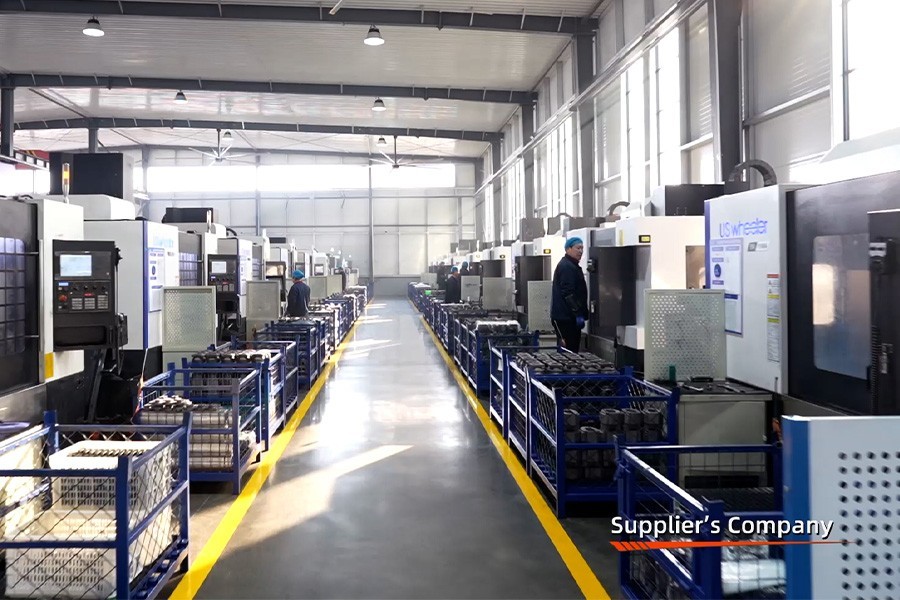
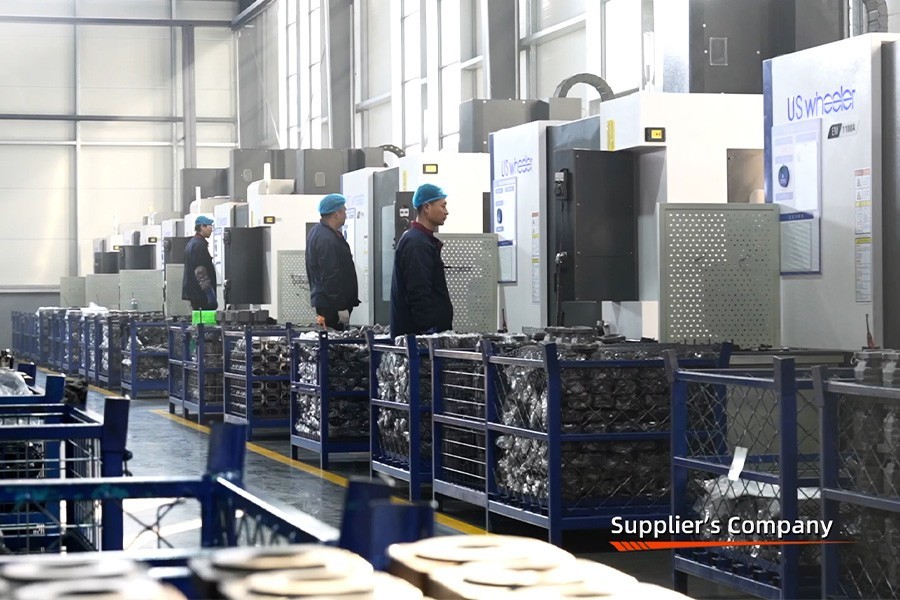
Figura 2: Dentatura a creatore di precisione CNC e test volumetrici automatizzati per pompe idrauliche nello stabilimento di Boxinhuasheng.
3. Smorzamento del rumore e controllo della cavitazione
Le pompe a ingranaggi possono generare rumore a causa dell'intrappolamento della pressione nel punto di ingranamento degli ingranaggi, della cavitazione del fluido e delle vibrazioni strutturali. I design moderni incorporano scanalature di scarico radiali e assiali nelle piastre di spinta per rilasciare il fluido intrappolato prima che subisca picchi di compressione. Per prevenire la cavitazione, la velocità del fluido della linea di ingresso deve essere mantenuta al di sotto di 1,2 m/s e la viscosità dell'olio deve rimanere compresa tra 15 e 100 cSt alle temperature di esercizio.
4. Forza di produzione delle pompe a ingranaggi di Boxinhuasheng
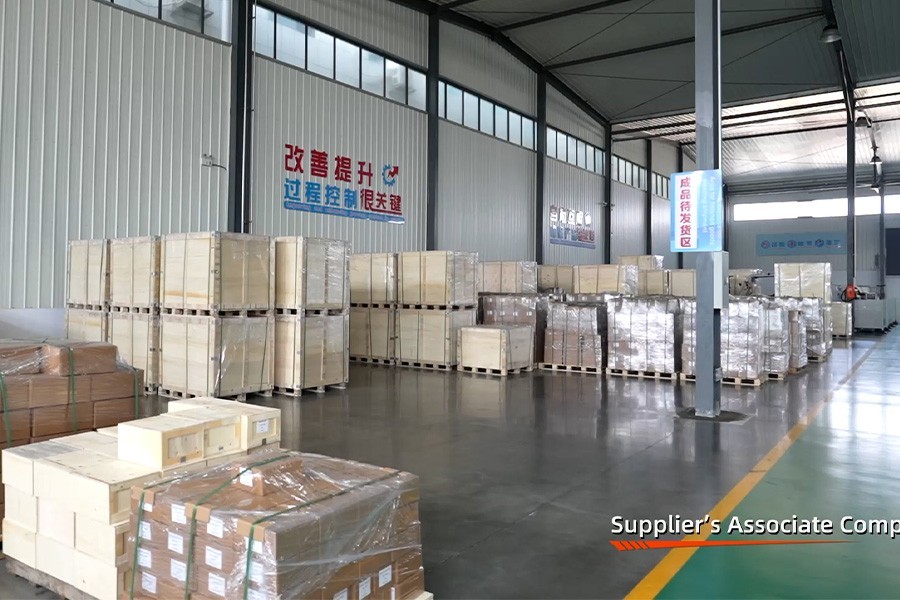
A Boxinhuasheng, la produzione di pompe a ingranaggi sfrutta gli standard automobilistici IATF 16949 e oltre 25 anni di ingegneria di precisione. Il nostro campus di 68.000 m² a Qingzhou, in Cina, è dotato di oltre 260 risorse di lavorazione CNC avanzate, che consentono la rettifica interna degli ingranaggi, il trattamento termico di carburazione e l'affilatura del diamante.Il 100% delle pompe a ingranaggi viene sottoposto a test di simulazione dinamica del carico di lavoro, controllando la portata, l'efficienza volumetrica e il mantenimento della pressione prima della spedizione agli OEM in oltre 80 paesi.